Self Management Summit 2026
A free online summit for HOA and condo boards who want to run their communities with confidence.
Wednesday, September 30, 2026. 10:45 AM to 4:30 PM EST.
Online and free to attend.
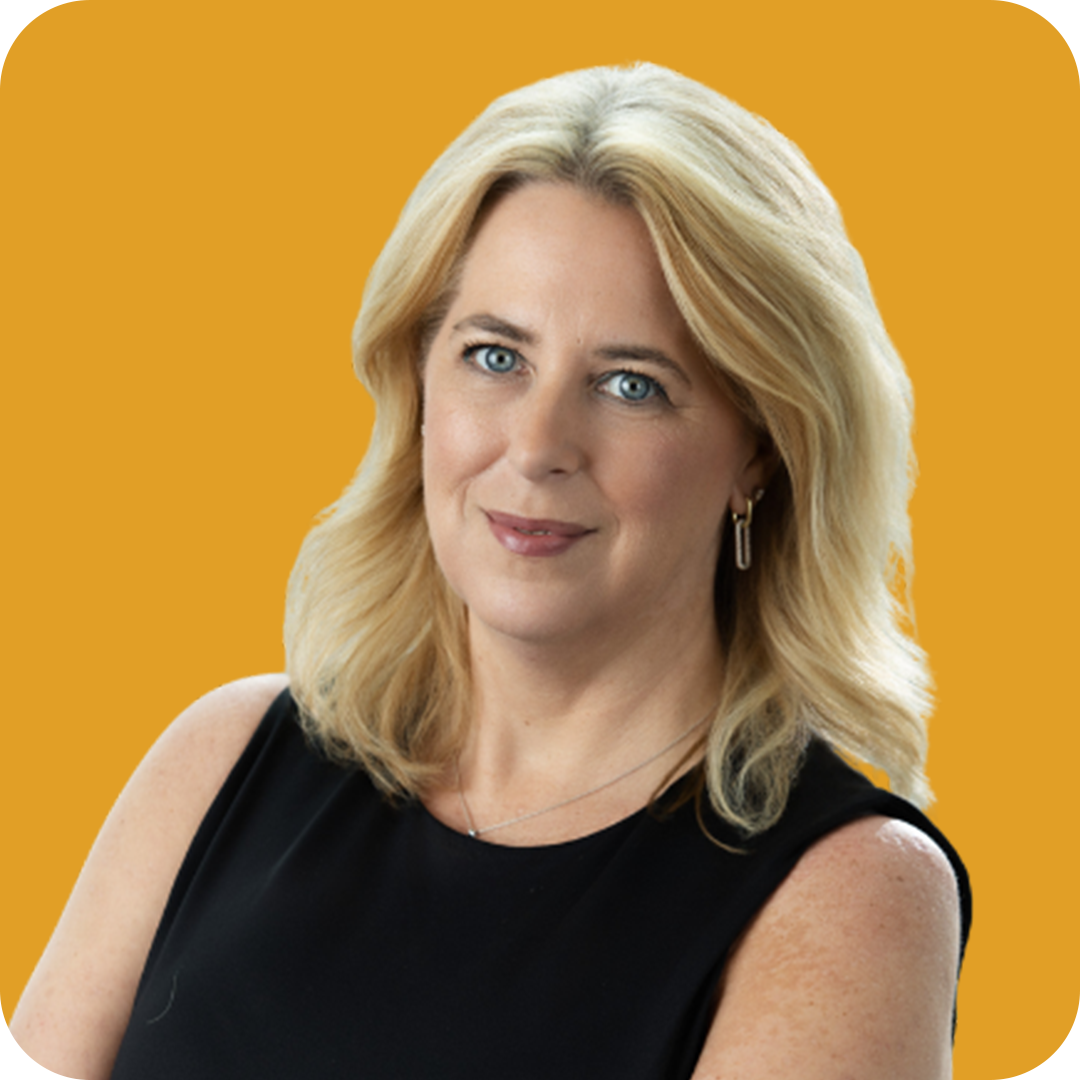
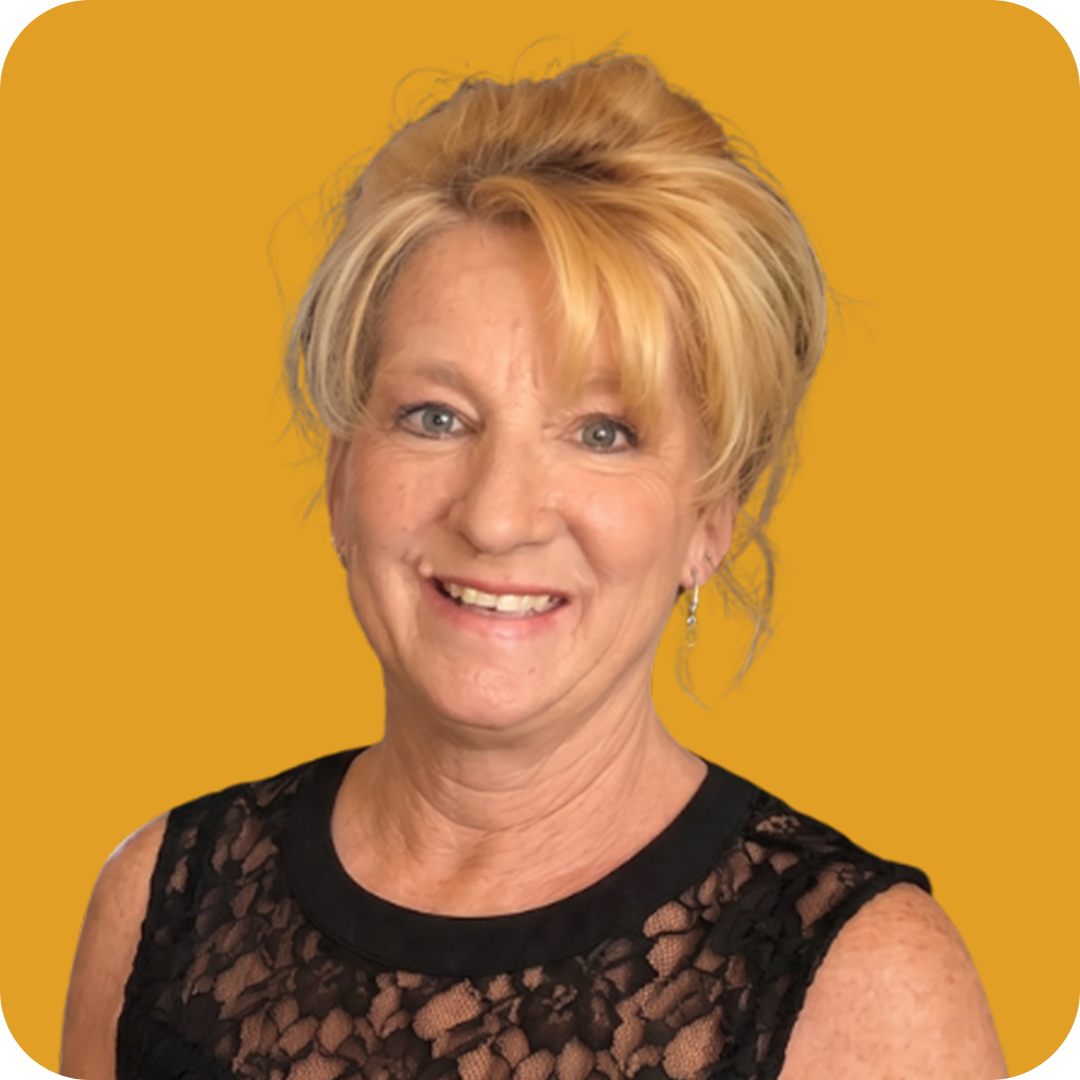
Our Speakers
Learn from experienced professionals who will share knowledge, practical strategies, and real-world solutions for the challenges self-managed communities face.


Erik Fox

David Jeranko

Jeremy Newman

Mitch Drimmer, CMCA, LCAM

Chris Elmore

Jaime Barnhart

Thad Clark

Taunia Wilson
What You Will Learn
Reading Your Financial Reports
Your association's financial reports arrive every month — and most board members scan them, hope nothing is wrong, and move on. During this session, we will walk through the four reports in your monthly packet — the Balance Sheet, Income Statement, Delinquency Report, and Bank Reconciliation — covering what each one tells you, what to look for, and what a red flag actually looks like. No accounting background required. Just a clear, practical framework for fulfilling your fiduciary duty with confidence.
Reserve Planning
Your reserve fund is either protecting your community or putting it at risk — and most boards don't know which. In this session, we break down what percent funded really means, how pooled and non-pooled reserve strategies work, and what warning signs to watch for before a special assessment becomes unavoidable. We'll also cover new Fannie Mae and Freddie Mac reserve requirements taking effect January 2027 — and what your board needs to do before then to keep your community warrantable.
Tax & Audit Hot Topics
Most self-managed boards hand off their year-end financials and hope their CPA figures it out. This session changes that. Walk through the 1120-H line by line — pulling real numbers from your financial reports — so you understand exactly what you're filing and why. You'll also leave with a clear audit readiness checklist covering the accounts, documentation, and filings that auditors look for in self-managed communities.
Systemizing Your Community with Tech
Self-managed communities run on volunteer time — and the right tools can make the difference between a board that's constantly catching up and one that has things under control. Walk through how systems and technology simplify day-to-day management: tracking maintenance, communicating with residents, managing violations, accessing financial reports, and keeping records organized. We'll cover what to look for when evaluating tools and what features actually matter for self-managed communities.
Collections: Policy & Process
Most self-managed boards avoid the collections conversation until they're already behind. This session gives boards a clear framework for what to do when homeowners stop paying — before it becomes a financial problem for the whole community.
Legal Responsibilities
Every board member takes on a legal obligation the moment they're elected — and most don't fully understand what that means financially. This session covers the legal side of managing your community's money: fiduciary duty, financial transparency requirements, assessment and budget authority, conflicts of interest, and personal liability when financial decisions go wrong.
Here's what the day looks like
Over the past year, hundreds of you showed up to our webinars asking the same questions. About collections. About reserves. About what really gets boards in trouble, legally, financially, and operationally.
We heard you, so this fall we are bringing it all together for one day.
What the day covers

Understanding your legal exposure and how to reduce it
Managing your finances and how to read your financial reports
Dealing with delinquencies and collections
Planning and funding your reserves
Staying on top of tax and audit obligations
Protecting your community with the right insurance and keeping your costs down
Running your community with better systems and tools
How the day works
The summit runs as a full day of expert-led video sessions with live chat and Q&A throughout. Drop your questions in the chat as you watch, and get answers from the speaker and team during or right after each session.
Deep Dives. 30-minute sessions on the topics you have asked about most.
Fast Tracks. Focused 15-minute sessions on tools, services, and quick-hit topics to keep the day moving.
Every session is available on demand after the event, and the day closes with a rapid-fire round answering the most common questions from our community.
What You Will Learn
Reading Your Financial Reports
Your association's financial reports arrive every month — and most board members scan them, hope nothing is wrong, and move on. During this session, we will walk through the four reports in your monthly packet — the Balance Sheet, Income Statement, Delinquency Report, and Bank Reconciliation — covering what each one tells you, what to look for, and what a red flag actually looks like. No accounting background required. Just a clear, practical framework for fulfilling your fiduciary duty with confidence.
Reserve Planning
Your reserve fund is either protecting your community or putting it at risk — and most boards don't know which. In this session, we break down what percent funded really means, how pooled and non-pooled reserve strategies work, and what warning signs to watch for before a special assessment becomes unavoidable. We'll also cover new Fannie Mae and Freddie Mac reserve requirements taking effect January 2027 — and what your board needs to do before then to keep your community warrantable.
Tax & Audit Hot Topics
Most self-managed boards hand off their year-end financials and hope their CPA figures it out. This session changes that. Walk through the 1120-H line by line — pulling real numbers from your financial reports — so you understand exactly what you're filing and why. You'll also leave with a clear audit readiness checklist covering the accounts, documentation, and filings that auditors look for in self-managed communities.
Systemizing Your Community with Tech
Self-managed communities run on volunteer time — and the right tools can make the difference between a board that's constantly catching up and one that has things under control. Walk through how systems and technology simplify day-to-day management: tracking maintenance, communicating with residents, managing violations, accessing financial reports, and keeping records organized. We'll cover what to look for when evaluating tools and what features actually matter for self-managed communities.
Collections: Policy & Process
Most self-managed boards avoid the collections conversation until they're already behind. This session gives boards a clear framework for what to do when homeowners stop paying — before it becomes a financial problem for the whole community.
Legal Responsibilities
Every board member takes on a legal obligation the moment they're elected — and most don't fully understand what that means financially. This session covers the legal side of managing your community's money: fiduciary duty, financial transparency requirements, assessment and budget authority, conflicts of interest, and personal liability when financial decisions go wrong.